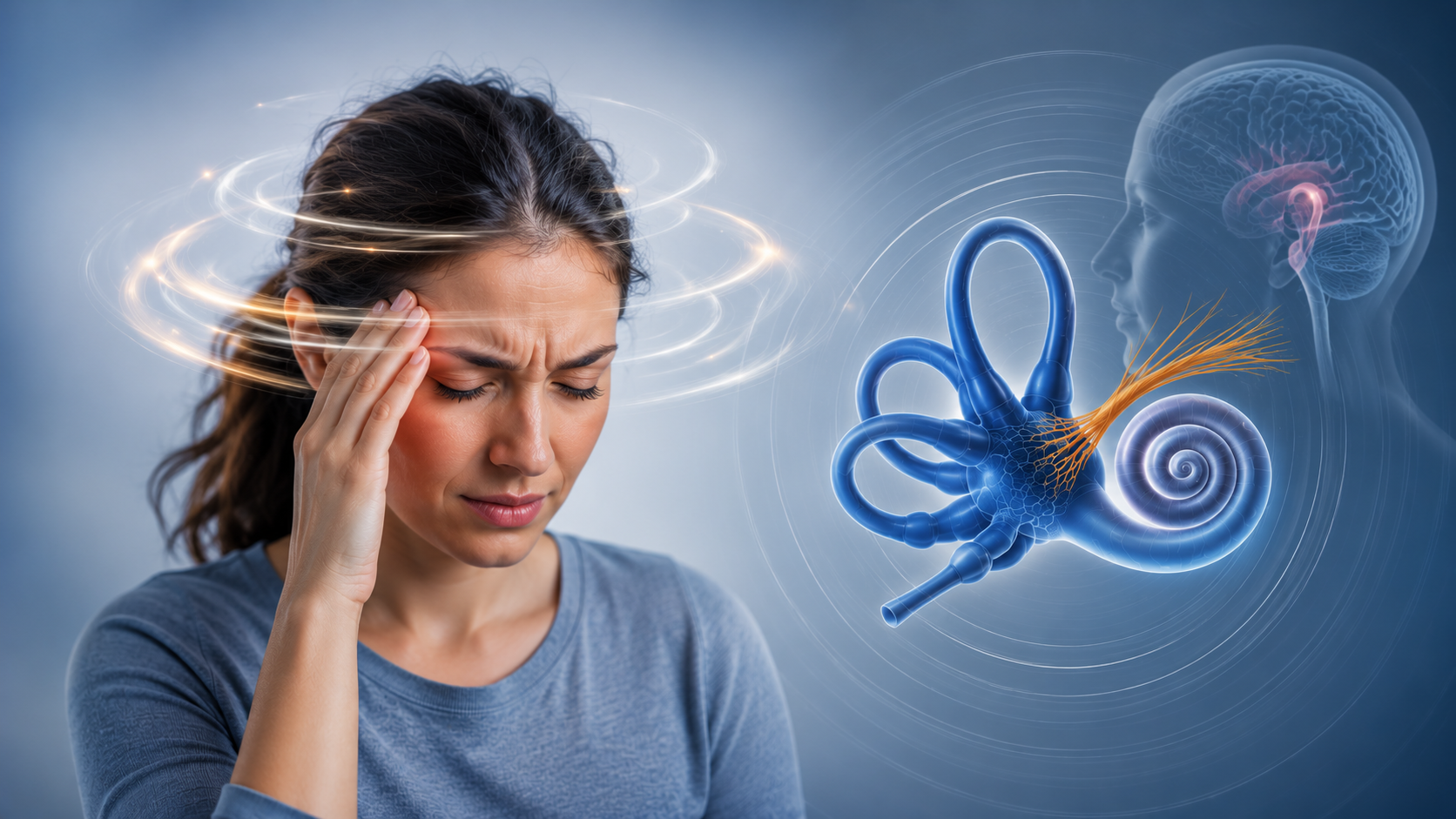
Vertigo causes dizziness, spinning sensations, and balance problems that affect daily activities. Early diagnosis and personalized neurological treatment help relieve symptoms, restore balance, prevent recurrences, and improve quality of life.
About Vertigo Treatment
Vertigo is a neurological condition characterized by a false sensation of spinning or movement, even when the body is still. It is not a disease itself but a symptom of disorders affecting the inner ear, brain, or balance system. Vertigo can interfere with walking, driving, working, and performing routine daily activities, increasing the risk of falls and injuries.
People with vertigo may experience episodes lasting from a few seconds to several hours, depending on the underlying cause. Accurate diagnosis is essential to identify whether vertigo originates from the inner ear, brain, or other neurological conditions.
At Dr. Naveen Kumar Venigalla’s practice, comprehensive neurological evaluation, advanced diagnostic techniques, and personalized treatment plans help patients regain balance, reduce dizziness, and improve their overall quality of life.
Symptoms
Vertigo symptoms may range from mild dizziness to severe balance disturbances.
Vertigo may result from disorders affecting the inner ear, brain, or nervous system. Identifying the exact cause is essential for effective treatment and long-term symptom relief.