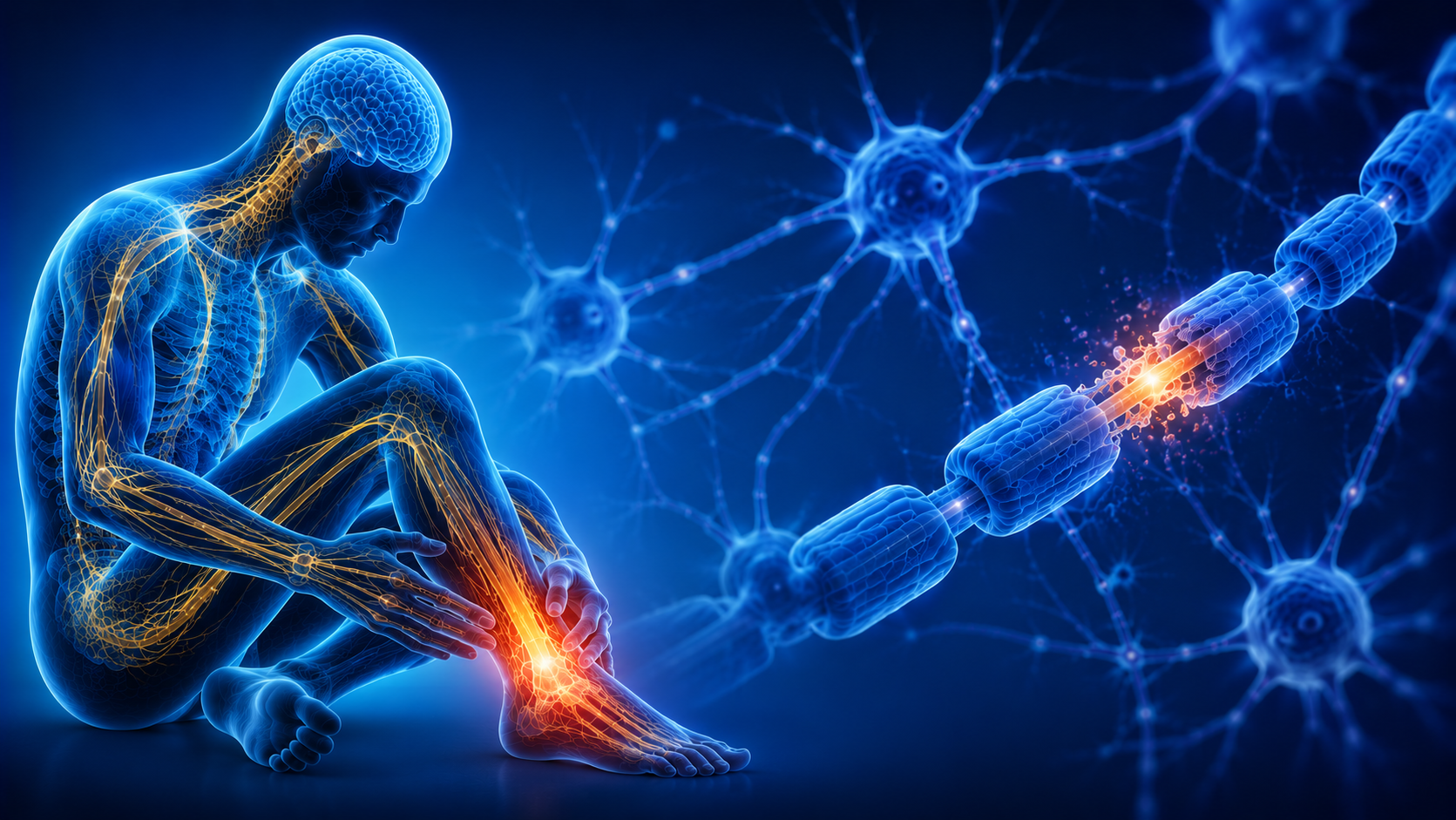
Neuropathy affects the peripheral nerves, causing pain, numbness, weakness, and tingling sensations. Early diagnosis and personalized neurological treatment help relieve symptoms, restore nerve function, and improve daily quality of life.
About Neuropathy Treatment
Neuropathy, also known as peripheral neuropathy, is a neurological condition that occurs when the peripheral nerves become damaged. These nerves transmit signals between the brain, spinal cord, and the rest of the body. Damage to these nerves can interfere with normal communication, leading to pain, numbness, tingling, weakness, and reduced coordination.
Neuropathy may affect a single nerve, multiple nerves, or nerve groups throughout the body. Diabetes is one of the most common causes, but infections, injuries, autoimmune diseases, nutritional deficiencies, and certain medications can also contribute to nerve damage. Early diagnosis and timely treatment are essential to prevent further nerve deterioration and improve long-term outcomes.
At Dr. Naveen Kumar Venigalla’s practice, comprehensive neurological evaluation, advanced diagnostic techniques, and personalized treatment plans help identify the underlying cause, relieve symptoms, restore nerve function, and improve overall quality of life.
Symptoms
Neuropathy symptoms vary depending on the nerves affected and the severity of nerve damage.
Neuropathy develops when peripheral nerves become damaged due to medical conditions, injuries, infections, or autoimmune disorders. Identifying the underlying cause is essential for effective treatment.