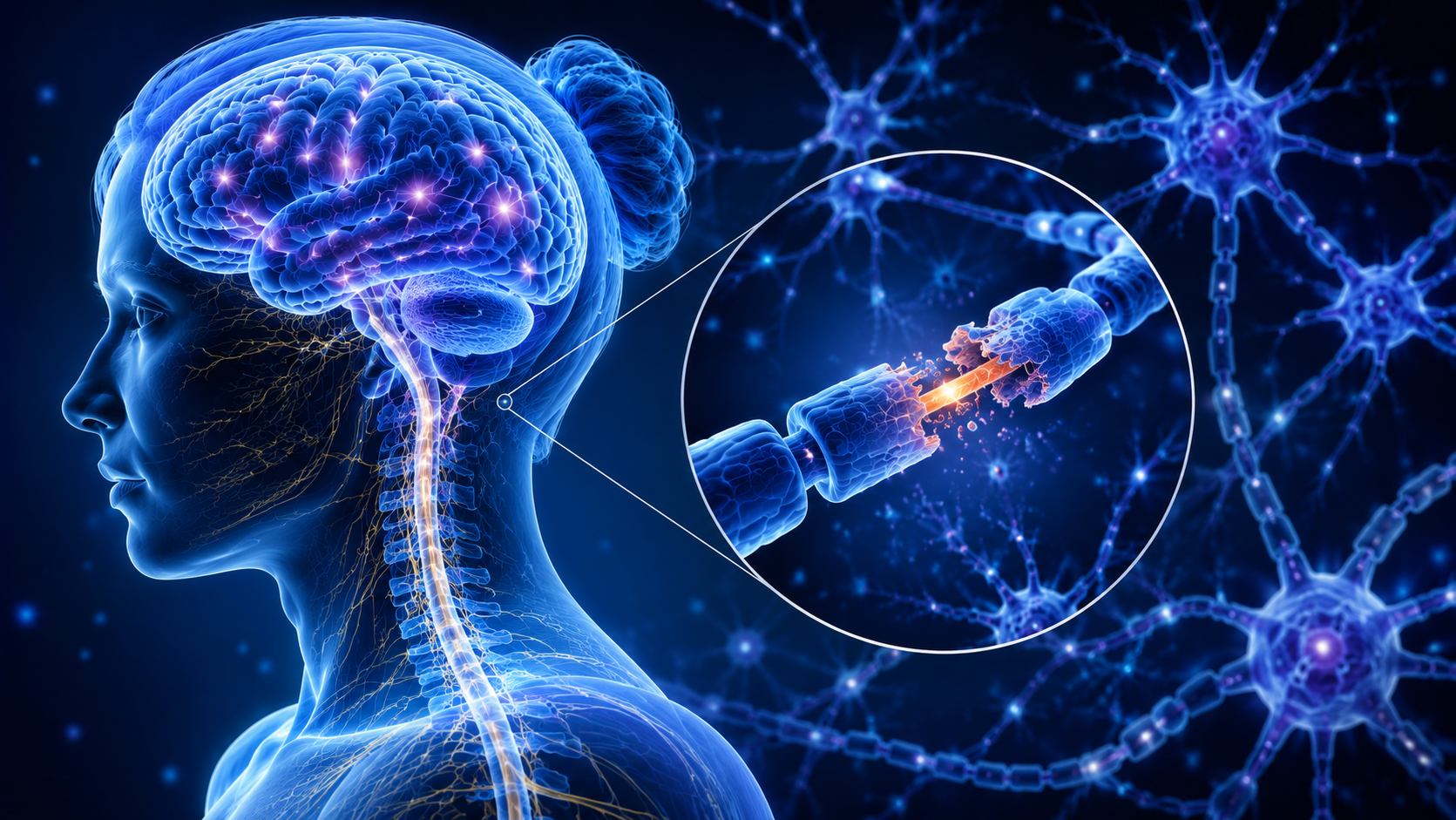
Multiple Sclerosis is an autoimmune neurological disorder affecting the brain and spinal cord. Early diagnosis, personalized treatment, and continuous care help manage symptoms, slow progression, and improve quality of life.
About Multiple Sclerosis
Multiple Sclerosis (MS) is a chronic autoimmune disease in which the body’s immune system mistakenly attacks the protective covering (myelin) surrounding nerve fibers in the brain and spinal cord. This damage disrupts communication between the brain and the rest of the body, leading to a wide range of neurological symptoms.
Symptoms vary from person to person and may develop gradually or occur in episodes known as relapses. While there is currently no cure for Multiple Sclerosis, early diagnosis and appropriate treatment can effectively reduce relapses, slow disease progression, and improve long-term neurological function.
At Dr. Naveen Kumar Venigalla’s practice, patients receive comprehensive neurological evaluation, advanced diagnostic testing, individualized treatment plans, rehabilitation, and continuous follow-up to help maintain independence and improve daily living.
Symptoms
Symptoms depend on the location and severity of nerve damage.
Multiple Sclerosis develops when the immune system attacks the protective myelin covering surrounding nerve fibers. Although the exact cause remains unknown, both genetic and environmental factors are believed to contribute.