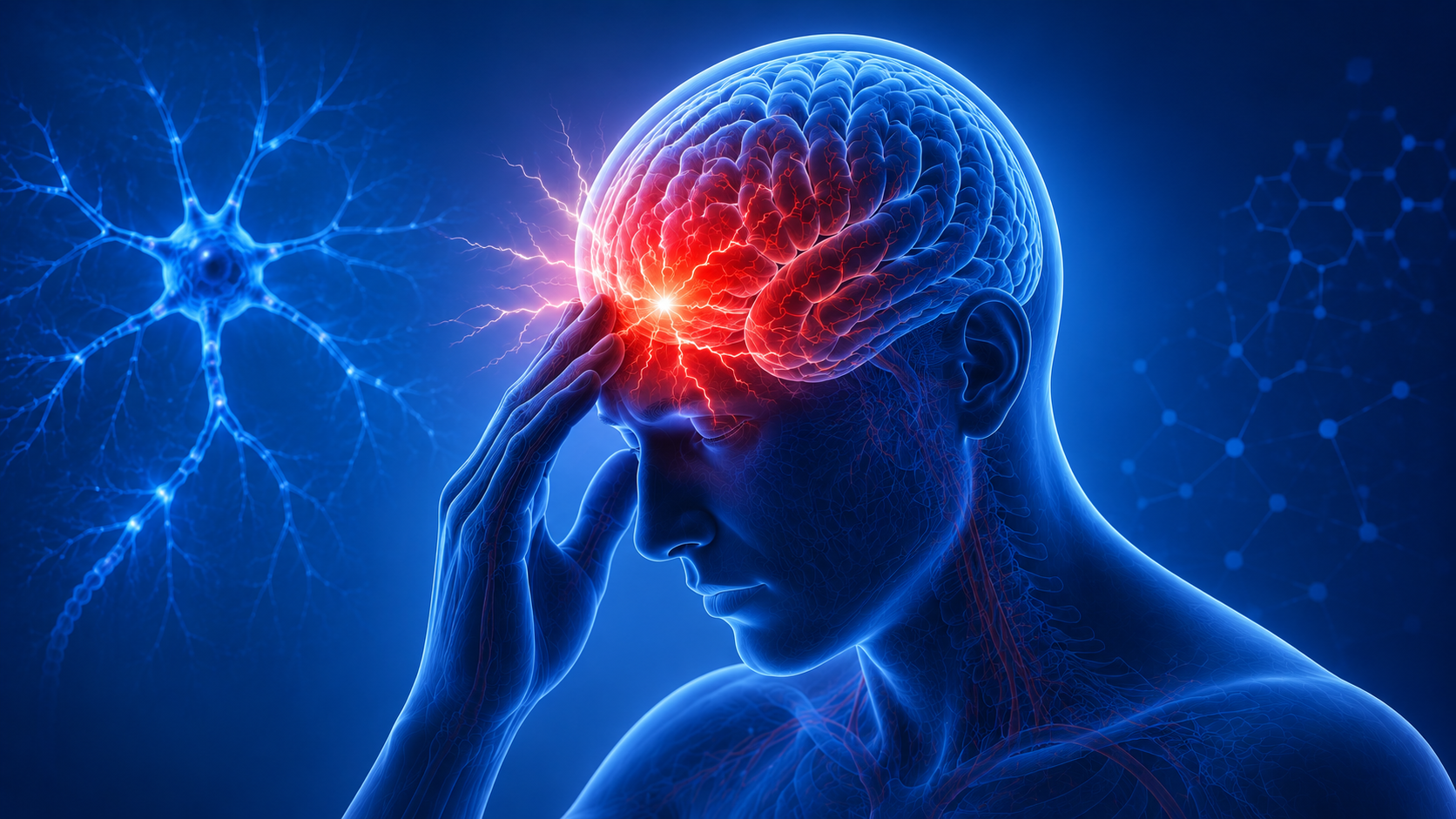
Migraine is more than a headache, causing intense pain and neurological symptoms. Early diagnosis and personalized treatment help reduce attacks, relieve discomfort, improve daily functioning, and enhance quality of life.
About Migraine Treatment
Migraine is a chronic neurological disorder characterized by recurring episodes of moderate to severe headache, often accompanied by nausea, vomiting, and sensitivity to light or sound. It can significantly affect work, family life, and daily activities if left untreated. Migraine attacks may last from a few hours to several days and vary in frequency and intensity.
Some individuals experience warning symptoms known as aura before the headache begins, including visual disturbances, numbness, or speech difficulties. Identifying migraine triggers and receiving the right treatment can greatly reduce the frequency and severity of attacks.
At Dr. Naveen Kumar Venigalla’s practice, migraine care focuses on accurate diagnosis, trigger identification, preventive strategies, and personalized treatment plans to provide long-term relief and improve overall quality of life.
Symptoms
Migraine symptoms may vary from person to person and can occur before, during, or after an attack.
The exact cause of migraine is not fully understood, but changes in brain activity, genetics, and environmental factors are believed to play important roles. Certain triggers can increase the likelihood of migraine attacks.
Migraine is diagnosed through a detailed medical history, neurological examination, and diagnostic investigations when necessary to exclude other neurological conditions.