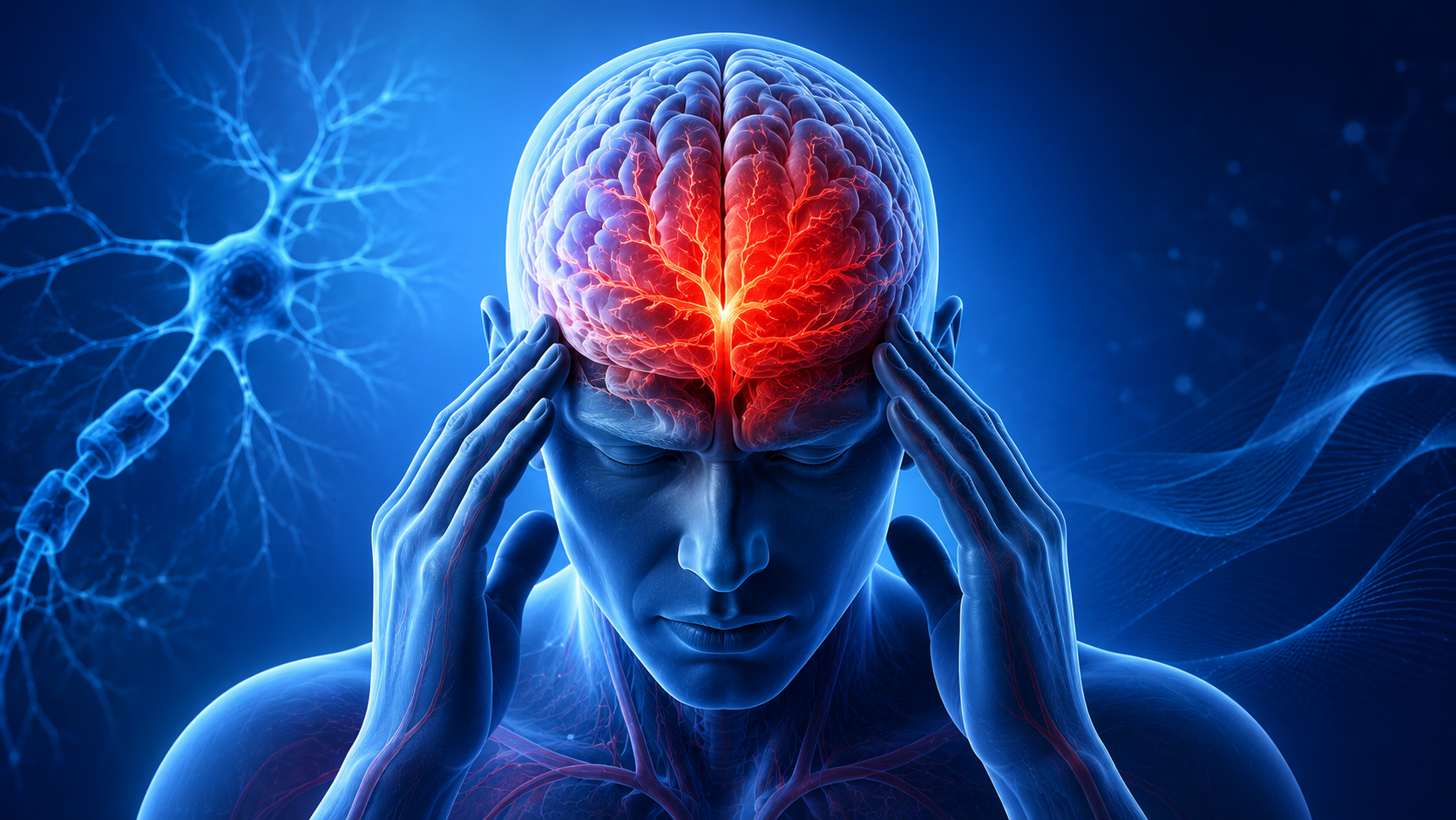
Persistent or severe headaches can affect daily life and indicate underlying neurological conditions. Accurate diagnosis and personalized treatment help relieve pain, prevent recurrence, and improve overall well-being.
About Headache Treatment
Headaches are among the most common neurological conditions, affecting people of all ages. While many headaches are temporary and harmless, frequent, persistent, or severe headaches may indicate an underlying neurological disorder requiring expert evaluation. Different types of headaches, including tension headaches, migraines, cluster headaches, and secondary headaches, require different treatment approaches.
At Dr. Naveen Kumar Venigalla’s practice, every patient undergoes a comprehensive neurological assessment to determine the exact cause of the headache. Based on the diagnosis, a personalized treatment plan is developed to provide long-term relief, reduce headache frequency, and improve overall quality of life.
Symptoms
Headaches may present differently depending on their underlying cause and severity.
Headaches may develop due to lifestyle factors, medical conditions, or neurological disorders. Identifying the underlying cause is essential for effective treatment and long-term relief.
Treatment depends on the headache type, severity, frequency, and underlying cause. Personalized care focuses on relieving pain, preventing recurrence, and improving overall quality of life.